Why, hello! Leite's Culinaria is the James Beard Award-winning site that helps home cooks and bakers put dinner on the table and laughs in the kitchen. Hungry for more? Join more than 30,000 food lovers and subscribe.
From Portugal: Christmas Traditions
|
Hi Reader, By mid-December, my social feeds are full of Portuguese people recreating their grandmother’s exact Christmas Eve menu from the Old Country—same codfish, same sweets, same everything, down to the brand of paper napkins. That… was definitely not my childhood. I grew up as first-and-a-half-generation Portuguese: my father right off the boat from São Miguel, my mother American, and me planted somewhere between the Azores and the mall. There wasn’t a laminated list of What We Eat on Which Holy Day taped to the fridge. We didn’t have the whole “on the 23rd we soak the salt cod, on the 24th we eat it, on the 25th we roast this, on the 26th we fry that” thing nailed down. Our holidays were a little more freestyle, a little more Fall River than Fátima. But what we did have was the making of the food. Some of my most vivid Christmas memories aren’t of sitting at the table—they’re of standing in overheated kitchens watching the women in my father’s family go to work. My Leite aunts and my Vo Leite would haul out enormous metal wash tubs—actual wash tubs, like the kind you could bathe a toddler in—and that was their mixing bowls for dough. They’d plunge their arms in up to the elbows, working this silky, elastic dough meant to feed what felt like the entire Portuguese population of Massachusetts. On every flat surface in the apartments were bowls and pans of something soaking, drying, or proofing. I remember it as “salt cod on every surface,” a kind of nativity scene in which the baby Jesus smelled faintly of the Atlantic. Because so much of what we ate was homemade, there was this constant round-robin of ingredients passing through the family. My father would make his wine and his brick-red massa de pimentão—the garlicky pepper paste of the gods. My aunts, his sisters, would use that wine and paste to marinate pork for chouriço sausage. Then THAT chouriço, stained with my father’s peppers and scented with his wine, would find its way into our soups, stews, and roasts. It was like eating a family tree: roots, branches, and all. And in the background of all this was another story, from the Old Country, that always catches in my throat when I tell it. Back on the island of São Miguel, where my family's from, there was a different kind of holiday “tradition”—a rotating one. The women on Rua dos Foros would take turns baking. My grandmother might bake eight or ten loaves of bread or massa sovada (think Portuguese challah) on a Monday. On Tuesday, a neighbor would do the same. Wednesday, another woman’s turn. If you ran out of bread or massa, you didn’t panic or run to the store; you simply went to the house of whoever was baking that day and borrowed a loaf. And when it was your baking day, you knew someone would show up at your door, empty-handed and hungry. No one went without. The tradition wasn’t “this exact sweet bread on Christmas morning.” The tradition was “we quietly take care of each other.” The recipes below—caldo verde, pastéis de bacalhau, bifanas, papo secos, bean soup—these weren’t reserved for high holy days in our house. They were Tuesday-night food, Sunday-afternoon food, just-because-someone-was-in-the-mood food. But around the holidays, I became more aware of them. Aware that this was our version of tradition: my father’s wine in the sausage, my aunts’ hands in the dough, my Vo Leite’s soft voice whispering instructions over mountains of flour. Aware that every bowl of soup or custard tart carried a quiet bit of symbolism—of leaving no one out, of stretching what we had, of sharing the load. So if you didn’t grow up with capital-T “Traditions,” here’s your permission slip:
That’s the Old-Country spirit, even if you, like me, grew up a few thousand miles—and at least half a generation—away. WHAT'S INSIDE...
Pasteis De Nata (Portuguese Custard Tarts)⭐⭐⭐⭐⭐ 4.83 from 316 votes
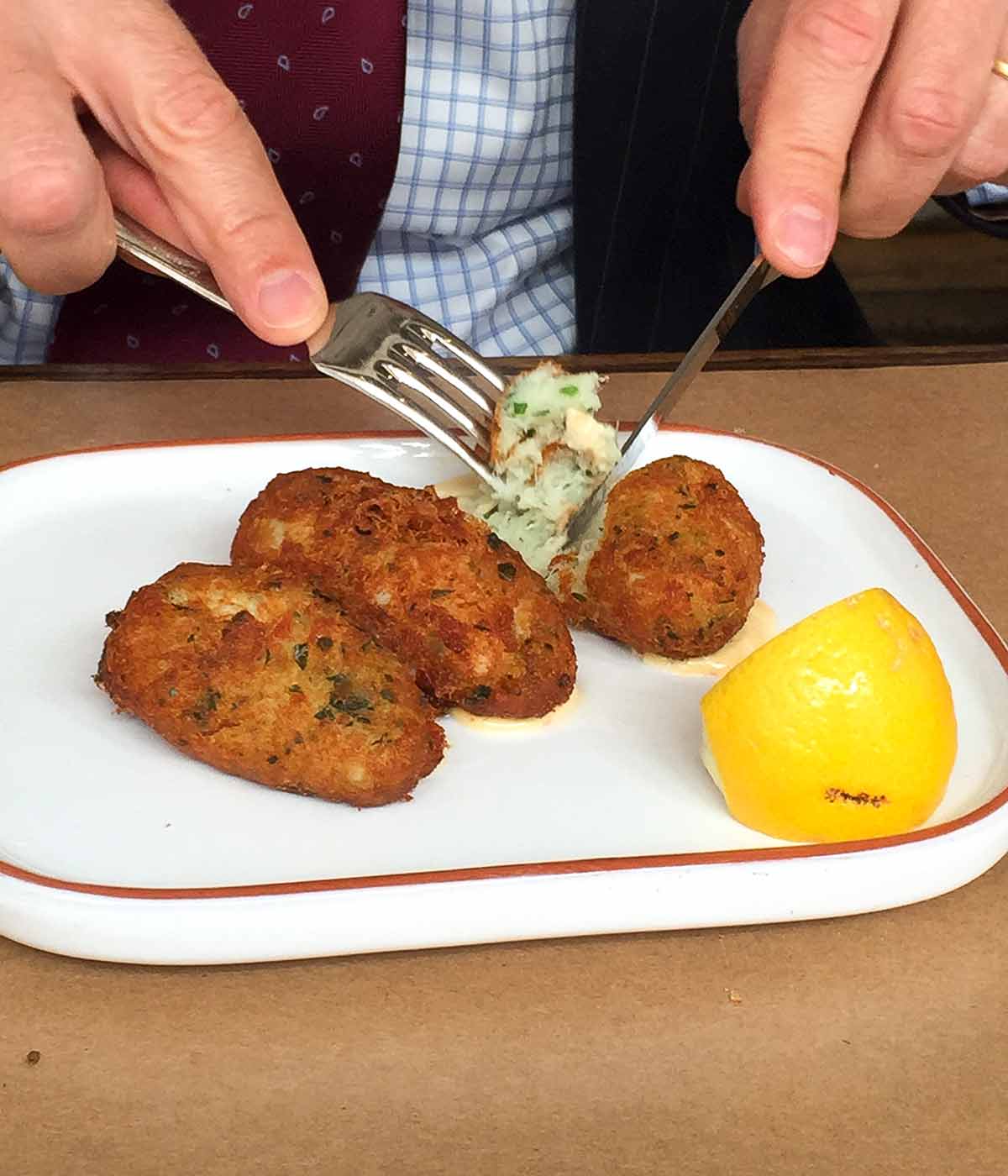
This pastéis de nata recipe makes as-close-to-authentic Portuguese custard tarts with a rich egg custard nestled in shatteringly crisp pastry. Tastes like home, even if you're not from Portugal.☞ Try this recipeCaldo Verde⭐⭐⭐⭐⭐ 4.85 from 119 votes Portuguese kale soup, caldo verde, is something you’ll experience literally everywhere in Portugal, from Lisbon’s trendiest restaurants to farmhouses scattered at the edge of villages. Understandably so. Its simple yet sustaining character is appreciated everywhere.☞ Try this recipePastéis De Bacalhau (Salt Cod Fritters)⭐⭐⭐⭐⭐ 4.94 from 47 votes
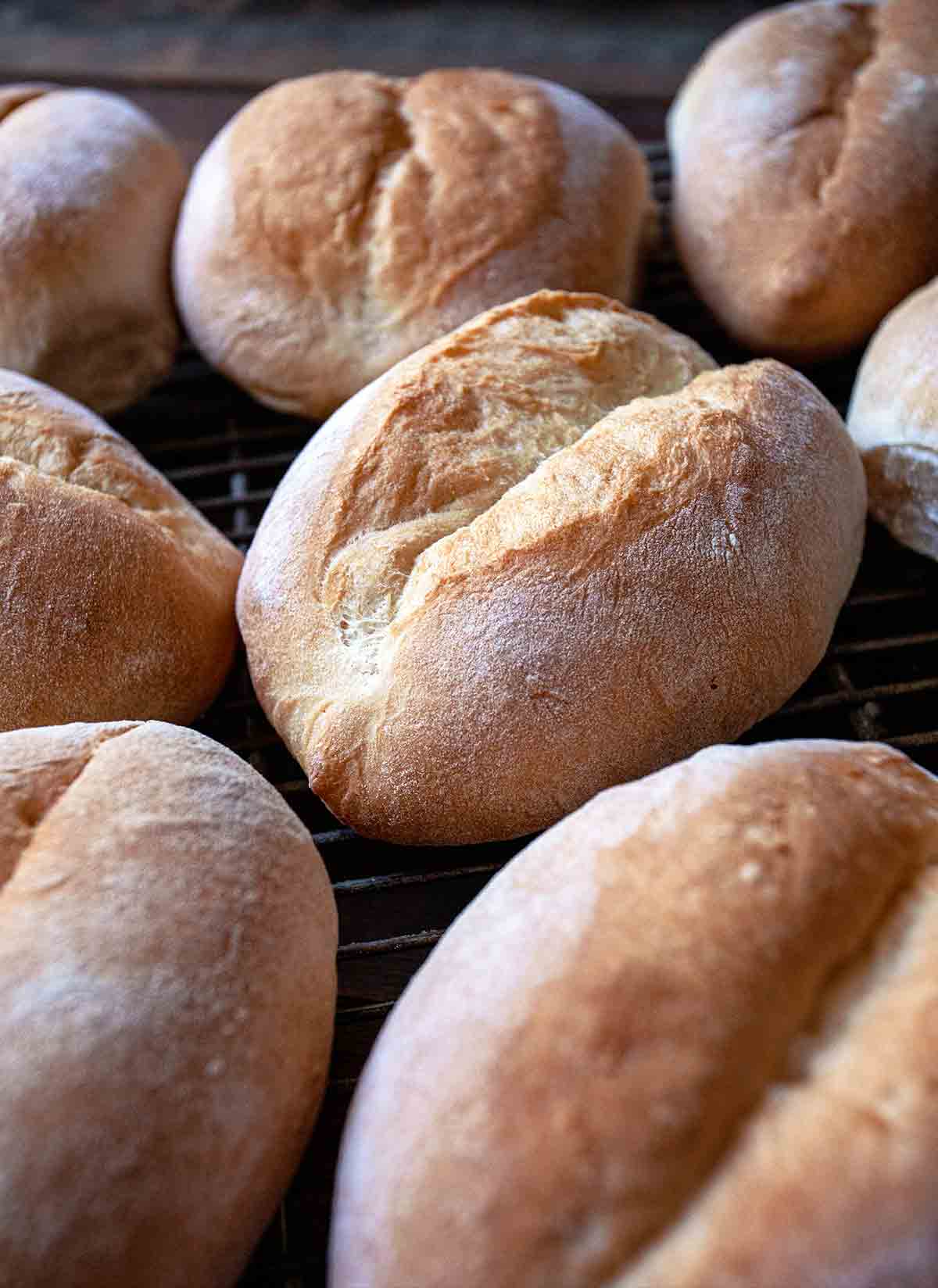
These Portuguese salt cod fritters, called pastéis de bacalhau, are made with salt cod, potato, onion, and parsley and are fried for a traditional Portuguese treat.☞ Try this recipeBifanas (Portuguese Pork Sandwiches)⭐⭐⭐⭐⭐ 4.86 from 48 votes Bifanas are traditional Portuguese sandwiches made with thin slices of pork that are marinated and simmered in a sauce of white wine, garlic, and paprika and served on soft rolls with plenty of mustard and piri-piri sauce.☞ Try this recipePapo Secos (Portuguese Rolls)⭐⭐⭐⭐⭐ 4.84 from 62 votes
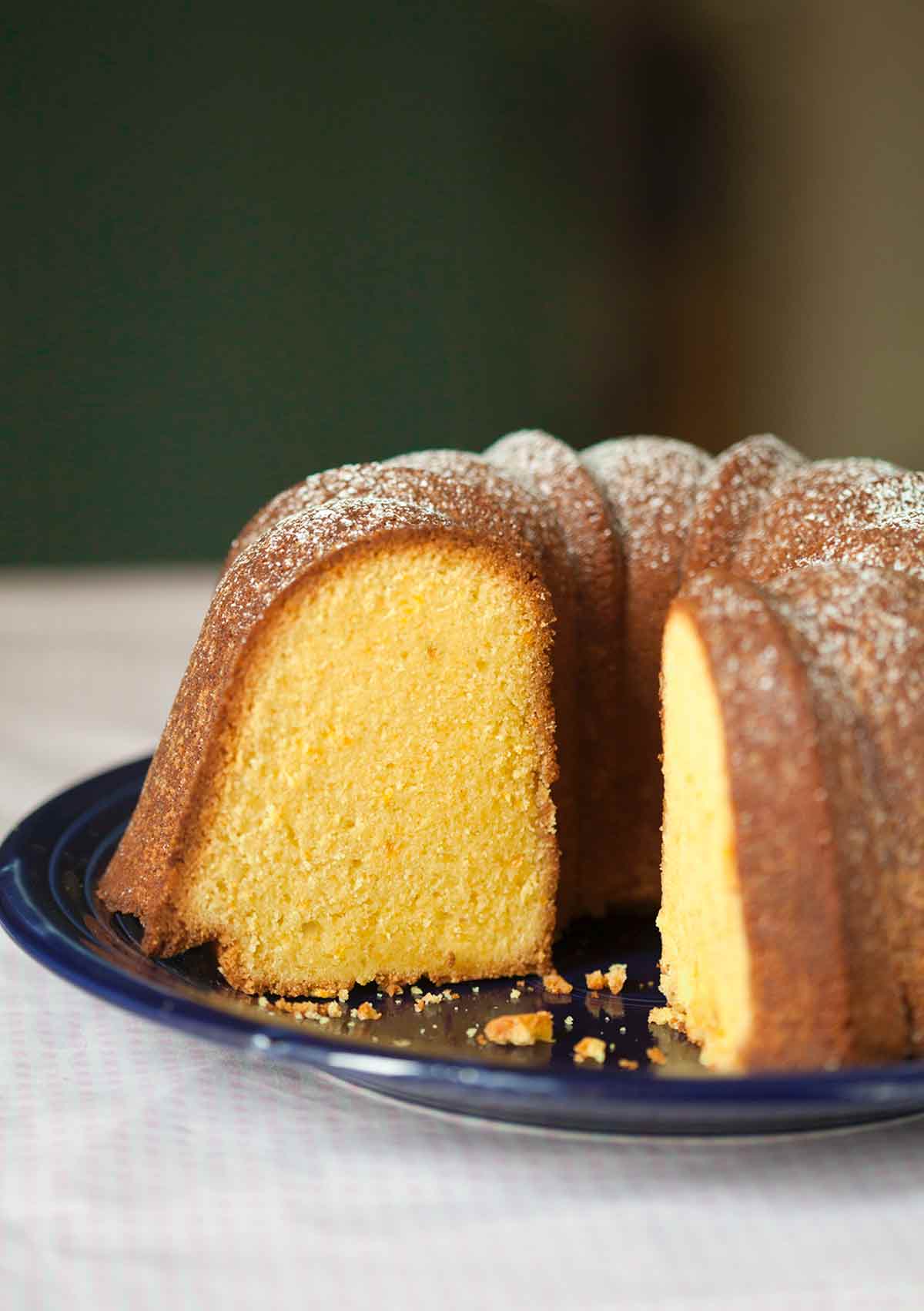
These papo secos are light and airy Portuguese rolls that are the perfect vehicle for the classic --marinated pork slices--or your favorite sandwich fillings or simply a smear of butter.☞ Try this recipePortuguese Orange Olive Oil Cake⭐⭐⭐⭐⭐ 4.91 from 150 votes
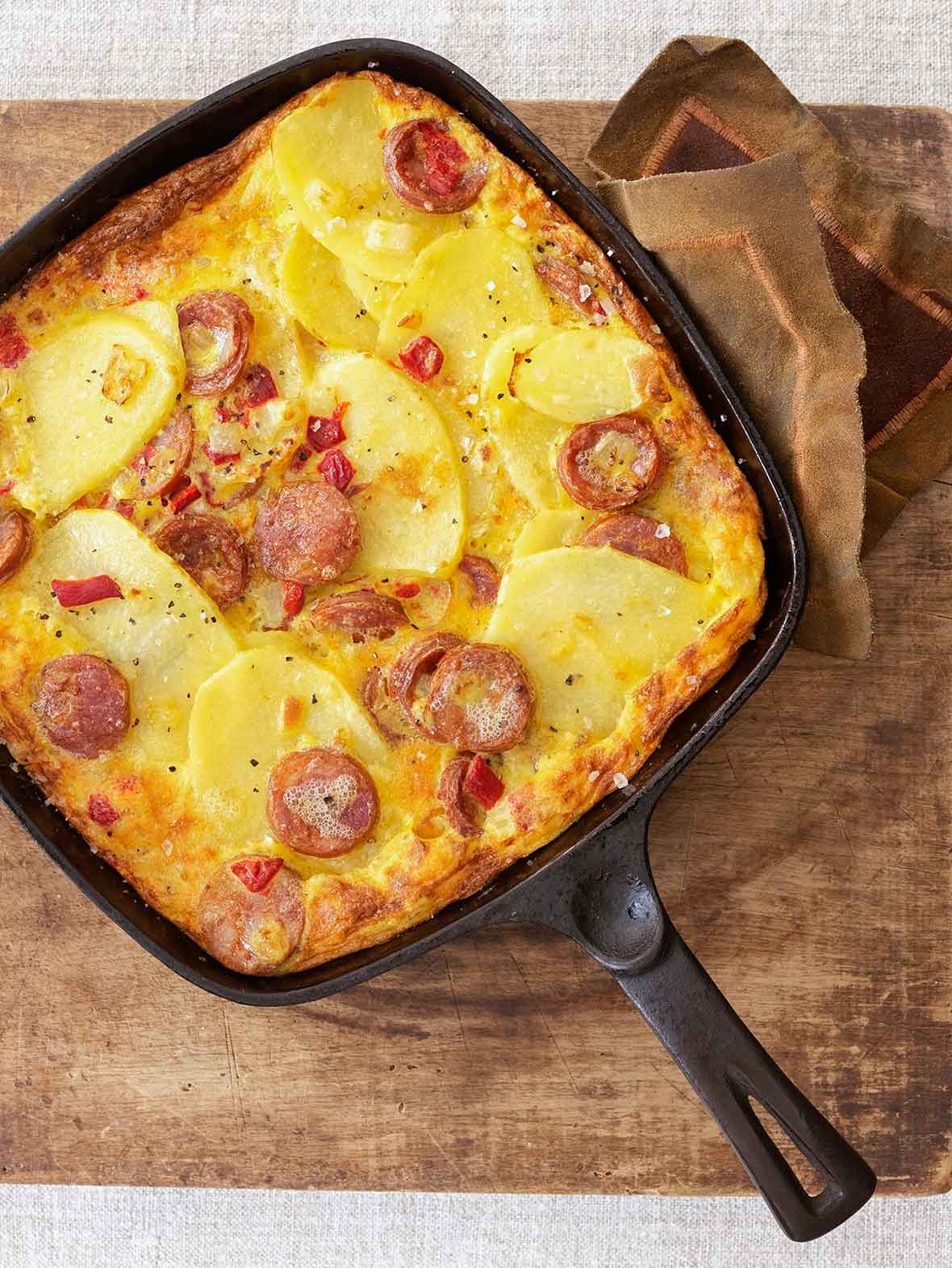
This Portuguese orange olive oil cake has an unforgettably tender crumb and a citrus smack thanks to fruity olive oil, winter navel oranges, and orange zest.☞ Try this recipeCarne Assada em Vinha d'Alhos⭐⭐⭐⭐⭐ 4.8 from 33 votes This Portuguese carne assada from my VERY Portuguese Mama is a traditional Azorean braised beef dish made with meltingly tender meat, small red potatoes, chouriço, and onions in wine and garlic. It's what Indian vindaloo is based on.☞ Try this recipePortuguese Fish ChowderThis Portuguese fish chowder is a tomato-based combo of stew and soup and chowder made of fish, potatoes, chorizo, also known as chouriço, and peppers that's a time-honored classic in Portugal.☞ Try this recipePortuguese Sausage Frittata
This Portuguese sausage frittata calls for eggs, chorizo or chouriço (Portuguese pork sausage with garlic), onions, and potatoes. Serve it for breakfast, late supper, or cold as a snack.☞ Try this recipePortuguese Bean Soup⭐⭐⭐⭐⭐ 4.89 from 17 votes Perfect for a leisurely afternoon cook, this is one of those soups where you throw everything in the pot and simmer until pau (finished). Usually, the strong seasoning of homemade sausage is enough to flavor the broth, but if you’re using a milder store-bought variety like I often do, you can supplement the warm flavor with a little pumpkin pie spice.☞ Try this recipe |

Leite's Culinaria
Why, hello! Leite's Culinaria is the James Beard Award-winning site that helps home cooks and bakers put dinner on the table and laughs in the kitchen. Hungry for more? Join more than 30,000 food lovers and subscribe.
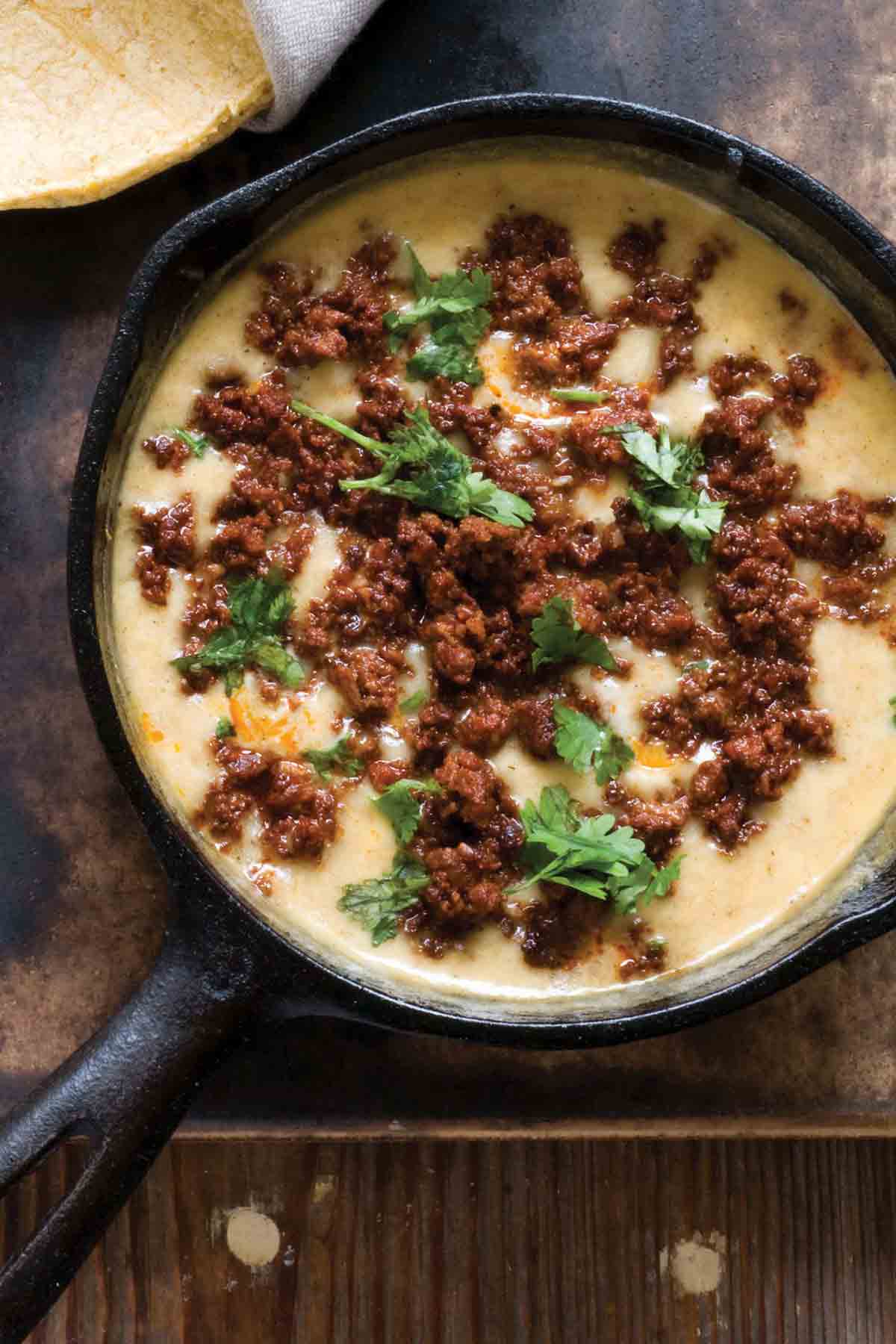
Hi Reader, If you think I was uninterested in the Super Bowl, multiply that by 10 when it comes to March Madness. For years, I honestly thought it was a term to describe the lunatic March Hare in Alice in Wonderland. Wrong!Whenever I attended a March Madness event (read: kidnapped by straight-boy college friends), I hovered dangerously close to the snack table. Give me a two-liter bottle of Diet Coke, a ridiculously large bowl of potato chips, and Lipton Onion Soup Dip, and I can grit my...
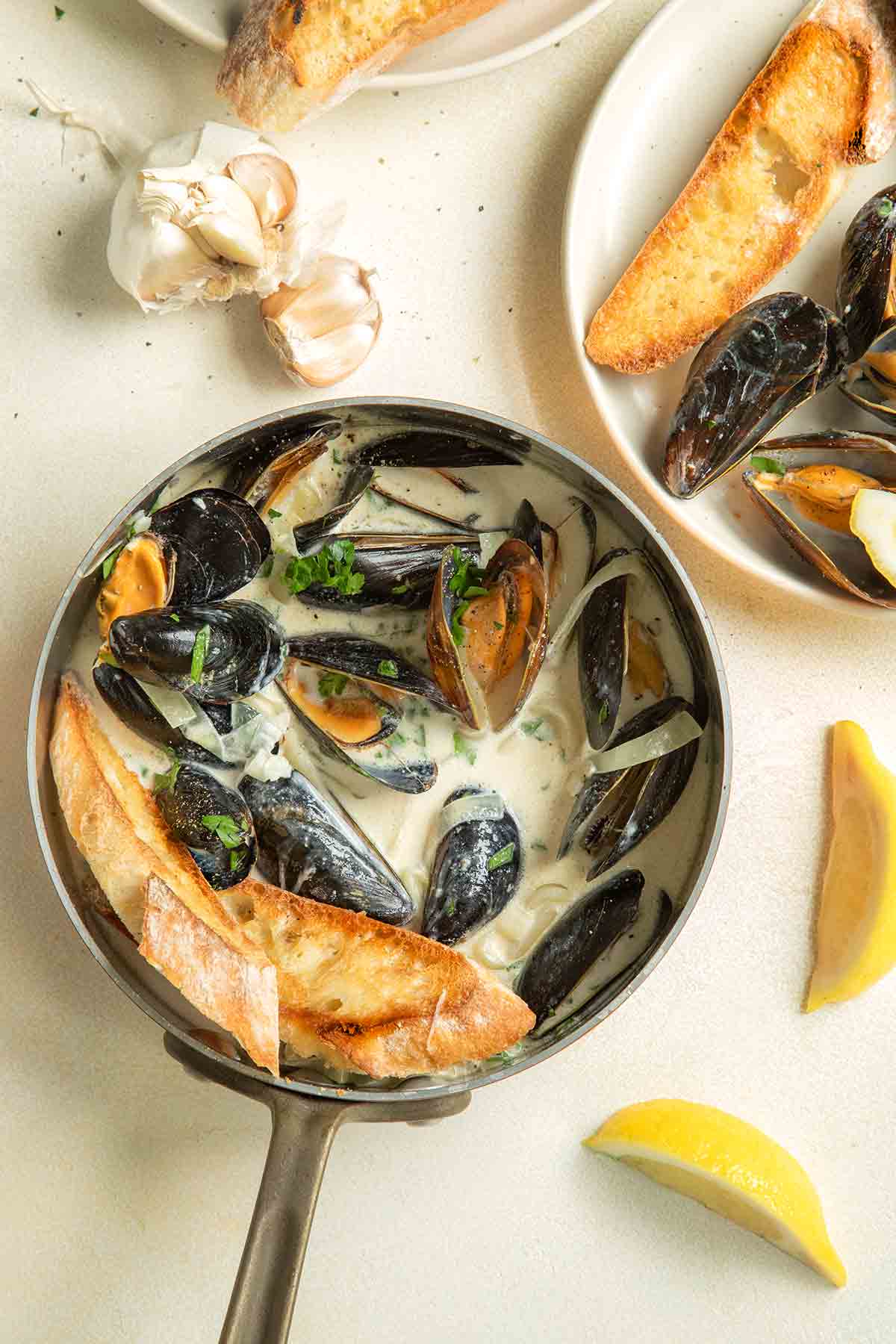
Hi Reader, Every time I cook seafood, I’m yanked straight back to the Massachusetts shoreline in the '70s—a slightly chonky, anxiety-riddled kid trying desperately to pass as someone who actually belonged among the fishermen. I had the walk down, or at least my version of it: a slow, rolling swagger I imagined said I know my way around a lobster trap. In reality, if some guy had tossed me a pissed-off two-pounder with its claws cocked and ready, I would’ve screamed like a Chihuahua puppy. And...
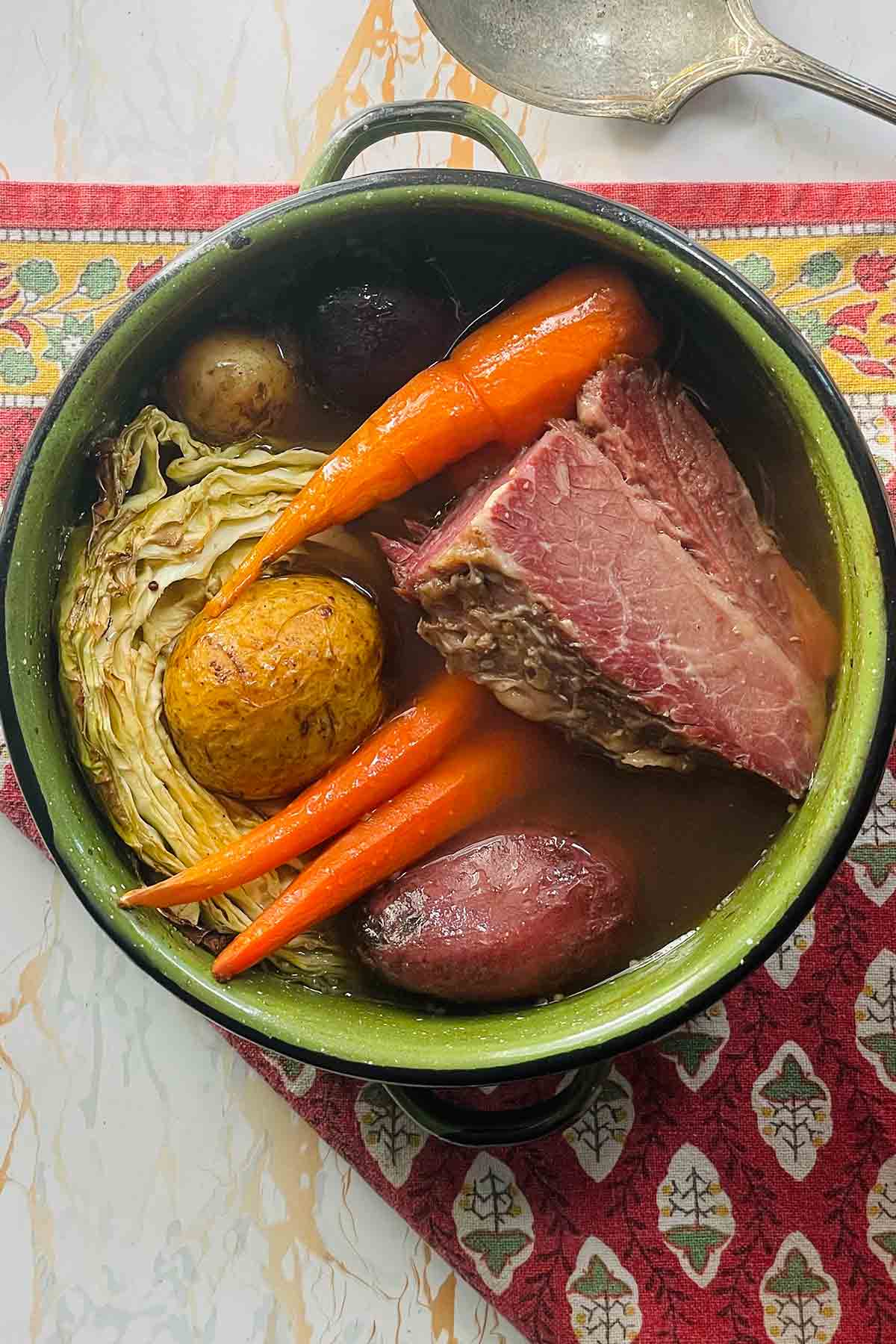
Hi Reader, Every March, I feel the same creeping pressure: the world goes emerald overnight, and suddenly I’m expected to be half-Irish, fluent in jig, and able to turn every dish a festive shade of green. Meanwhile, my actual Irish experience begins and ends with a wool sweater that makes me itch and an ill-fated attempt at Irish soda bread that could’ve been used as a doorstop.Still, there’s something irresistible about the promise of St. Patrick’s week—that blend of comfort, carbs, and a...