Why, hello! Leite's Culinaria is the James Beard Award-winning site that helps home cooks and bakers put dinner on the table and laughs in the kitchen. Hungry for more? Join more than 30,000 food lovers and subscribe.
Old-World Craft, Modern Oven
|
Hi Reader, When my avó Leite baked, she didn’t consult a recipe so much as a memory palace: a pinch measured by knuckle, a pour judged by the sound it made hitting the bowl. I, on the other hand, have a stand mixer that could reel in a small boat, four oven thermometers, and three scales accurate enough to dose a fruit fly (or run a bespoke drug business)—and I still managed, for years, to turn massa sovada into a sullen doorstop. Bake Like a Lisboeta (Even with a Moody Oven)
Talking With My Mouth Full LIVE PodcastJoin Amy and me on Wednesday, April 1st at our new time – 12 noon ET – as we chat with Italian cookbook author Domenica Marchetti. Her newest book, Italian Cookies, drops April 14. Get a sneak peek with us.
WHAT'S INSIDE...
Pasteis De Nata ~ Portuguese Custard Tarts⭐⭐⭐⭐⭐ 4.82 from 323 votes
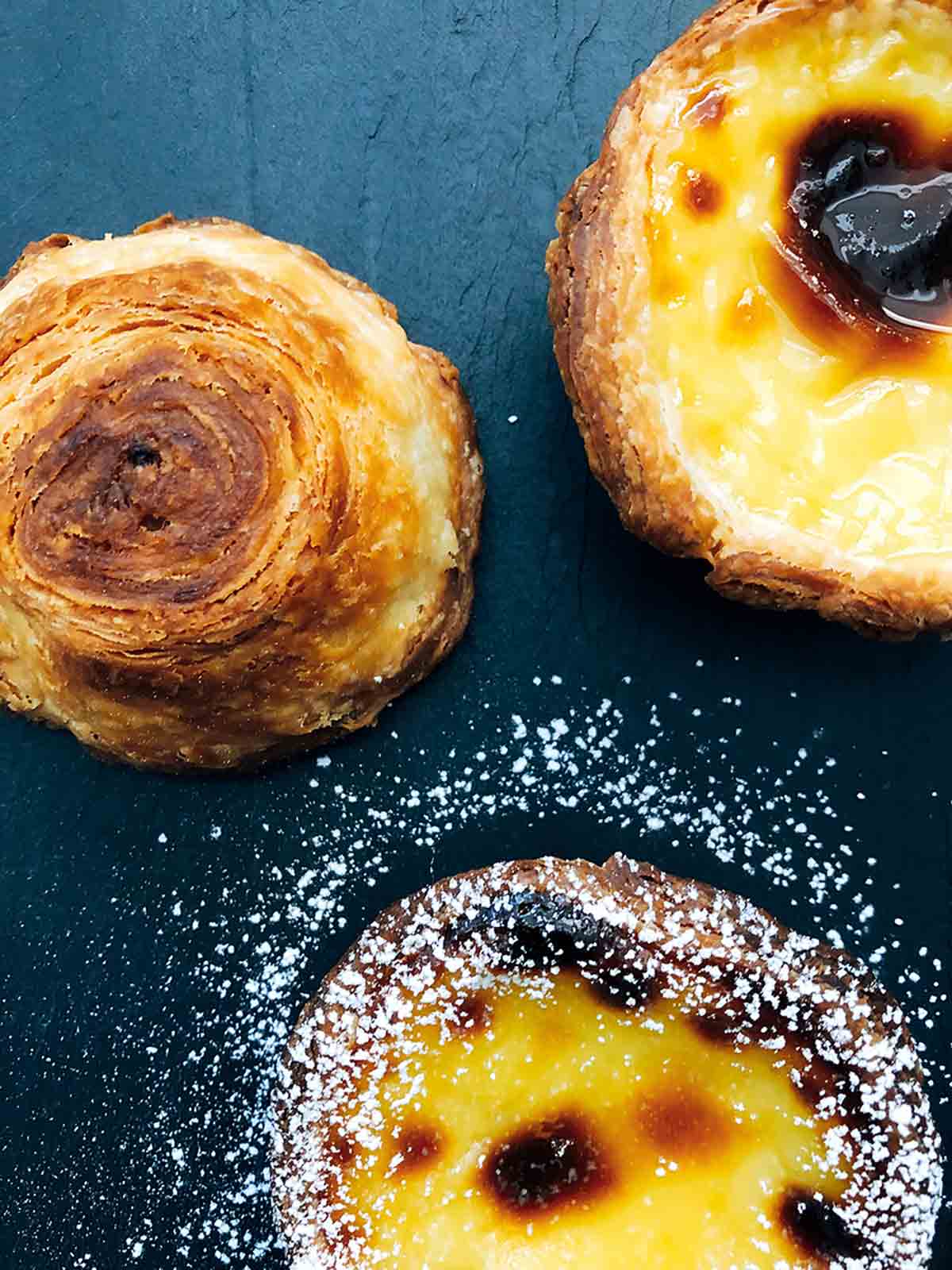
This pastéis de nata recipe makes as-close-to-authentic Portuguese custard tarts with a rich egg custard nestled in shatteringly crisp pastry. Tastes like home, even if you're not from Portugal.☞ Try This RecipePortuguese Orange Olive Oil Cake⭐⭐⭐⭐⭐ 4.91 from 159 votes This Portuguese orange olive oil cake has an unforgettably tender crumb and a citrus smack thanks to fruity olive oil, winter navel oranges, and orange zest.☞ Try This RecipePortuguese Coconut Custard Tarts⭐⭐⭐⭐⭐ 4.84 from 24 votes
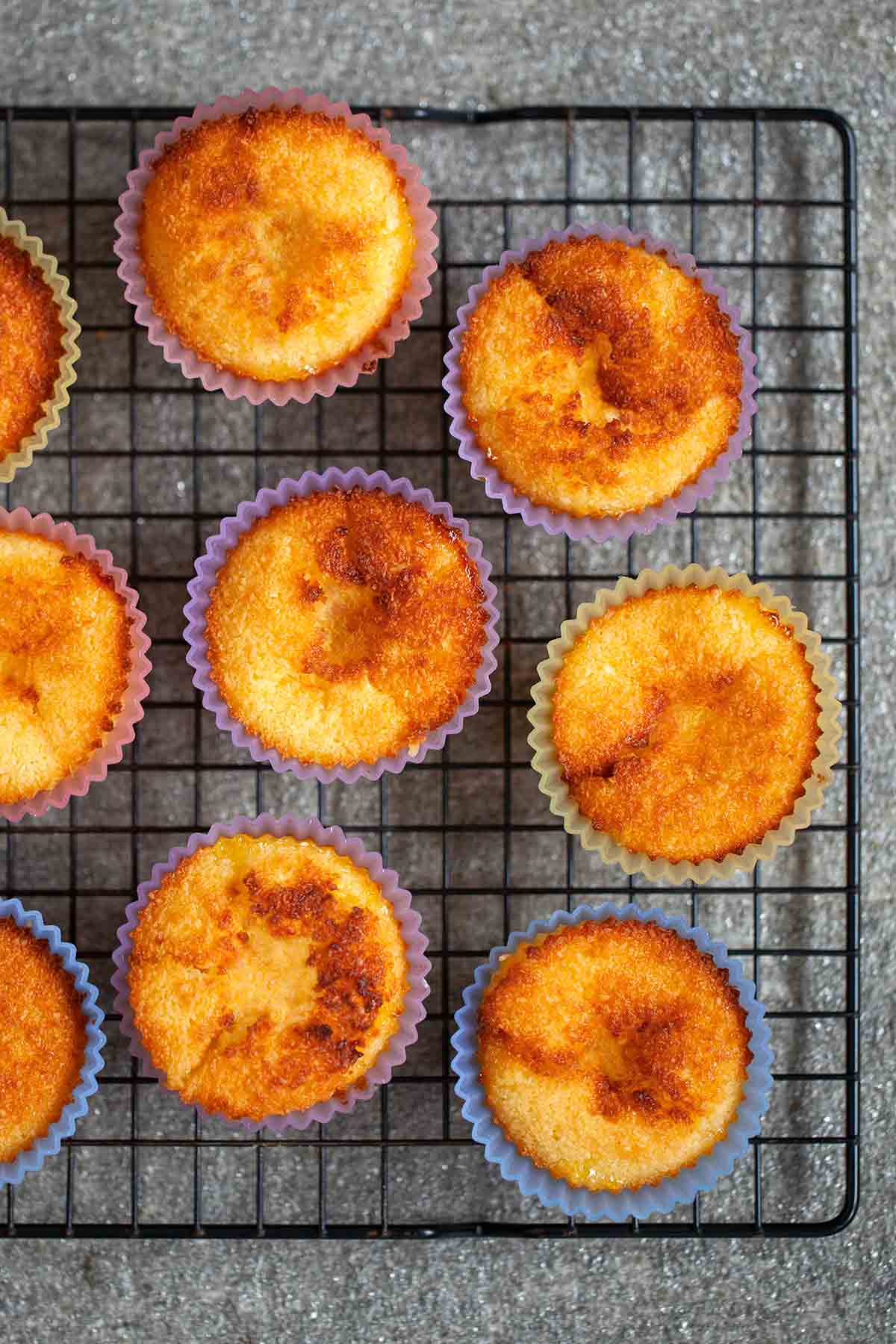
These Portuguese coconut custard tarts are little pastries that look like cupcakes. They're a classic in which the best parts of creamy milk custard and eggy macaroon come together in very Portuguese fashion.☞ Try This RecipeSerradura ~ Portuguese Sawdust Pudding⭐⭐⭐⭐⭐ 4.75 from 12 votes
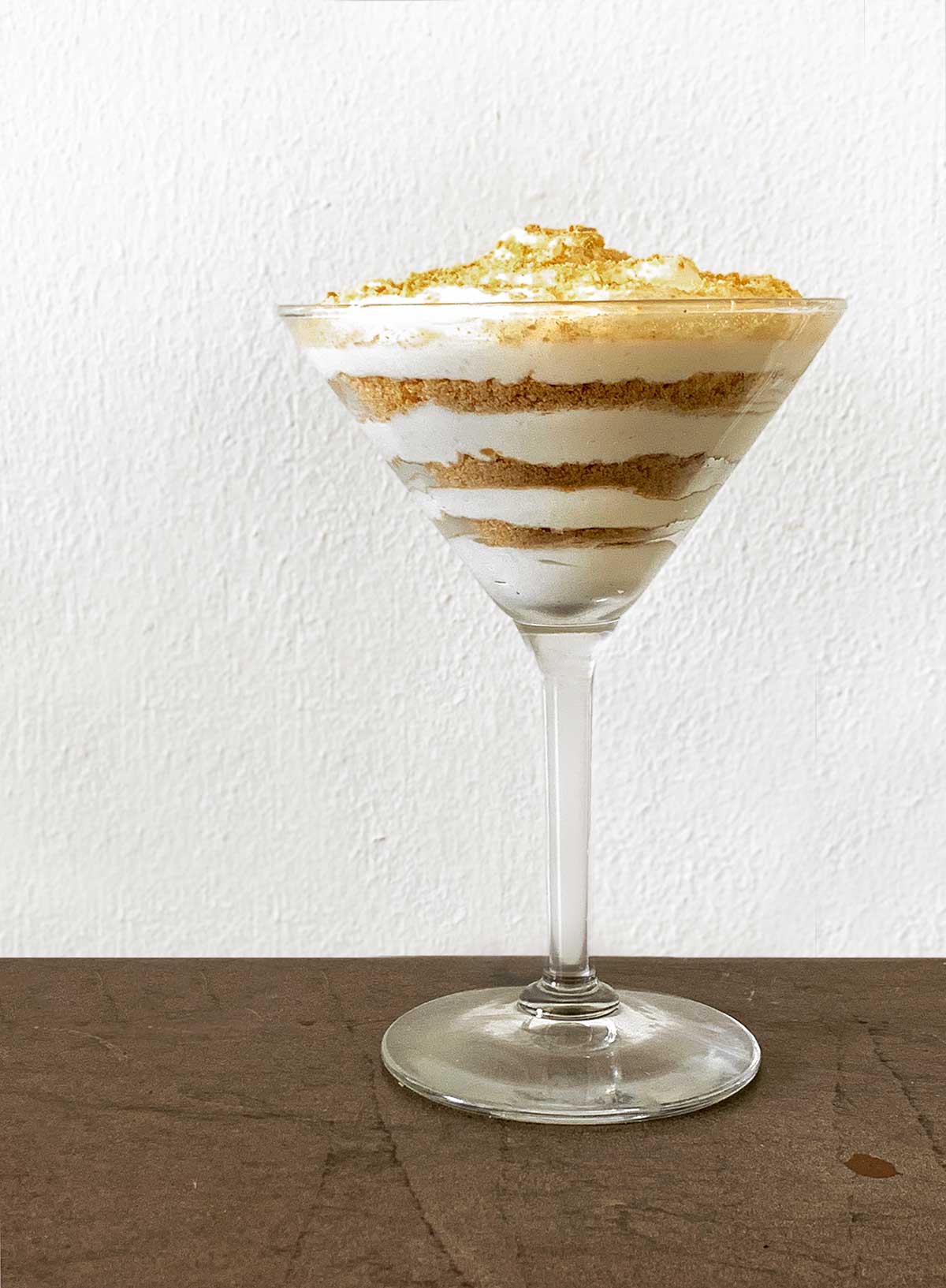
Sawdust pudding, or serradura, is a Portuguese dessert that's perhaps the easiest and best last course ever. It's made by layering crushed tea cookies with sweetened whipping cream. Three ingredients. And elegant enough for entertaining.☞ Try This RecipePortuguese Almond Torte ~ Bolo De Amêndoa⭐⭐⭐⭐⭐ 4.86 from 34 votes
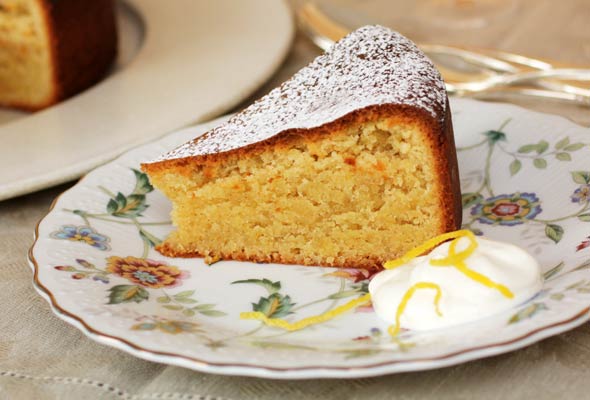
☞ FACT: I'm bringing this to Passover dinner at our friends Fred and Ginger's. This Portuguese almond torte, known as Bolo de Amêndoa, is made with almonds, lemon zest, and cinnamon to create a rich, flourless, dense, and gluten-free torte that's a Portuguese favorite.☞ Try This Recipe |
Leite's Culinaria
Why, hello! Leite's Culinaria is the James Beard Award-winning site that helps home cooks and bakers put dinner on the table and laughs in the kitchen. Hungry for more? Join more than 30,000 food lovers and subscribe.
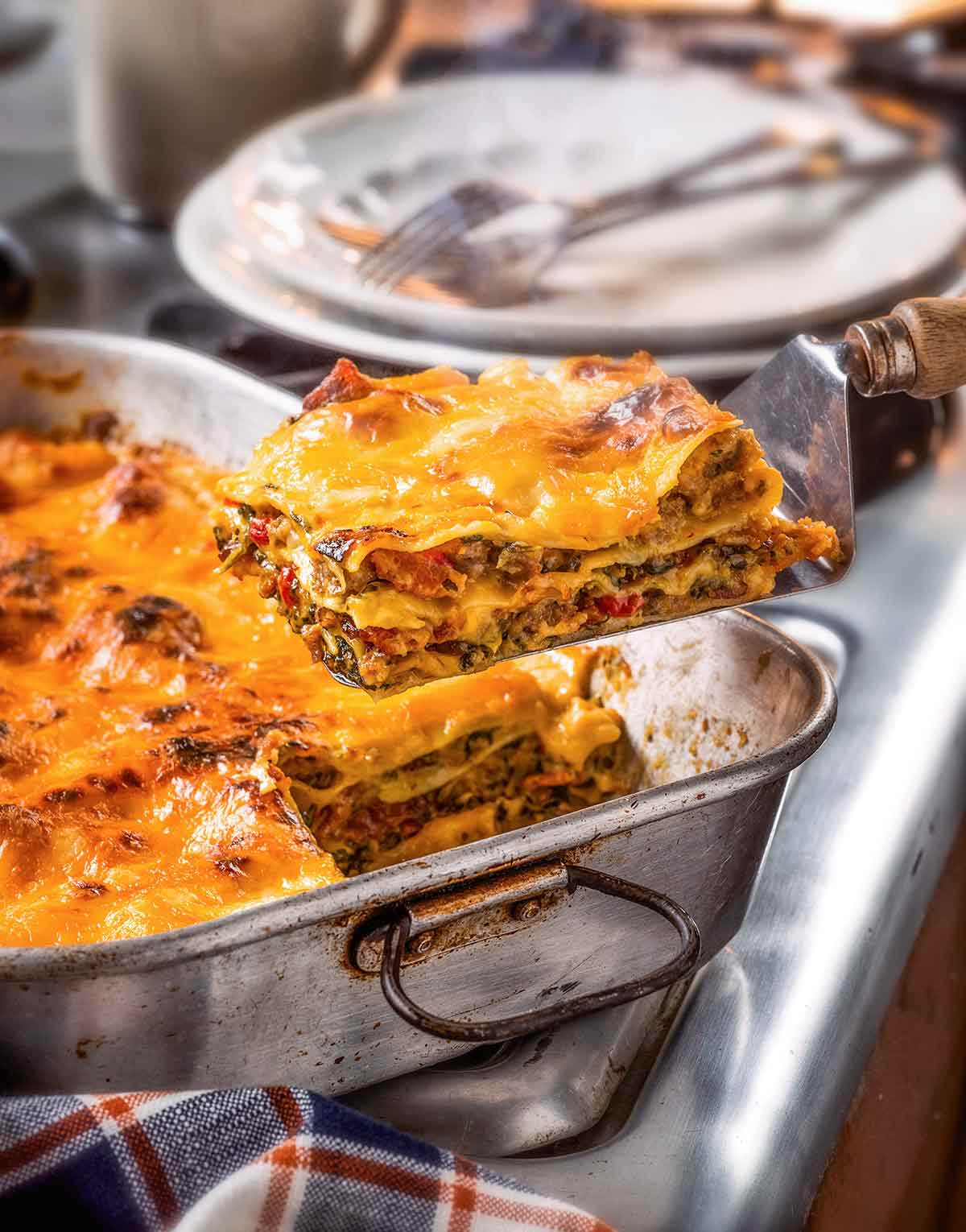
Hi Reader, Brunch season always sneaks up on me the way crocuses do—suddenly, brazenly, and a little smug. The One will suggest “something casual,” which is code for three platters, two carafes, and me dashing around muttering about forks. I used to think brunch required choreography: eggs timed to the minute, bacon crisp but not combative, fruit salad that looked like it had a stylist. Then I realized the real point of brunch is permission—to linger, to gossip, to pour orange juice into...
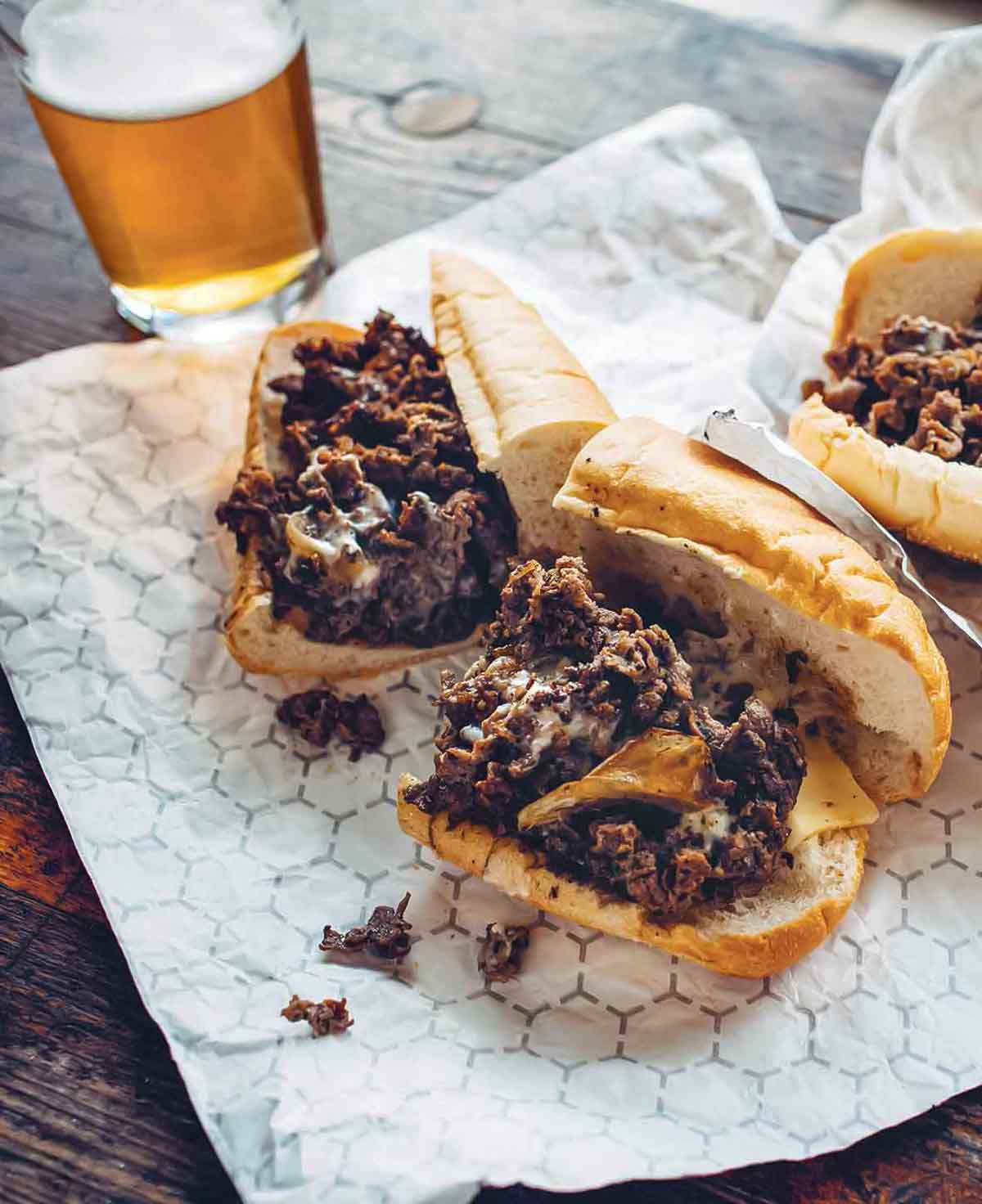
Hi Reader, There was a time when “date night” meant a white tablecloth, a waiter who said absolutely to everything, and me pretending not to notice The One calculating the tip on his phone. Lately, though, I’ve fallen in love with Date Night: Home Edition. Same drama, fewer receipts. I light a candle, put on something that isn’t elastic-waist (progress), and reach for the only piece of kitchen equipment that truly separates a restaurant from a residence: a heavy pan that holds heat like a...
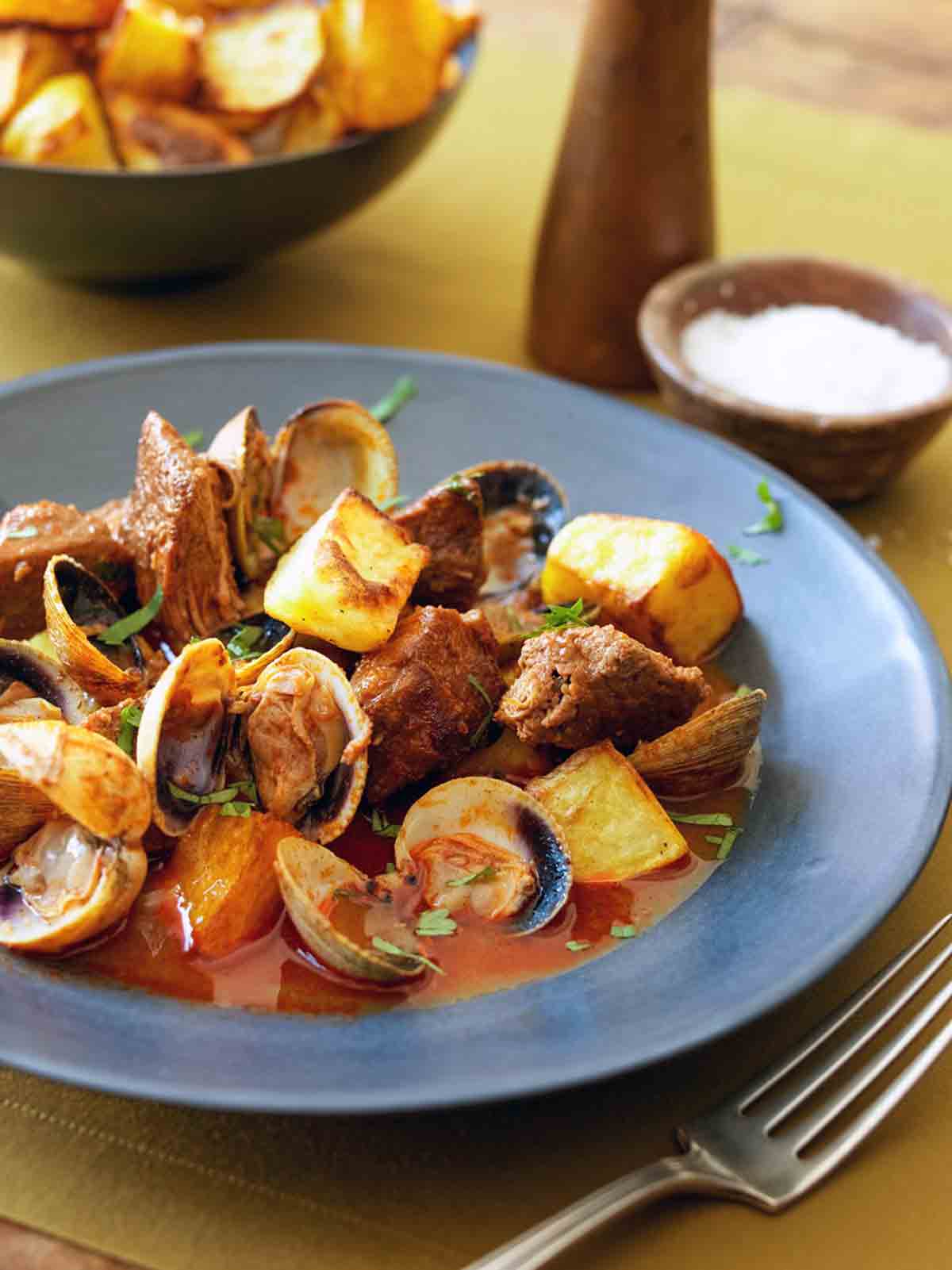
Hi Reader, I used to think comfort food had to come from home—my home, specifically. A place that smelled like garlic and rendered fat, where the air shimmered with anticipation and maybe a little guilt. But lately, I’ve been letting my comfort get a passport stamp.It started one night when I was too tired to make anything “proper,” so I tossed together a bowl of miso noodles from a recipe I half-remembered. The result? Instant calm. The next week it was butter chicken, then shakshuka, then a...